
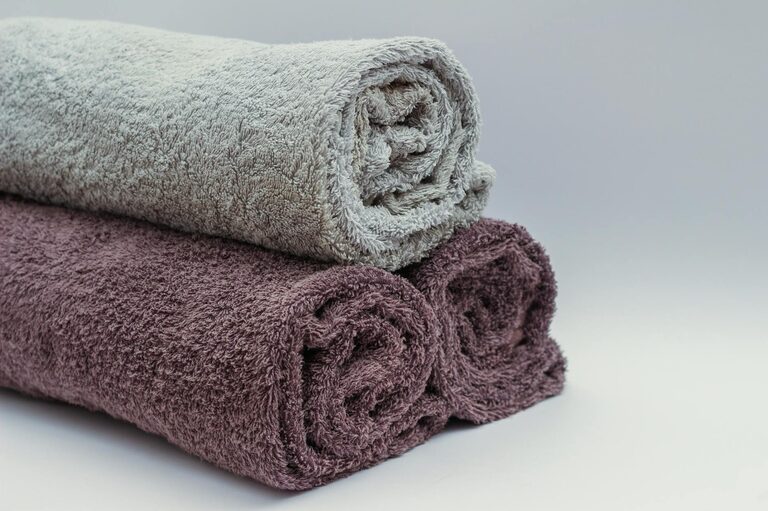
When it comes to home comfort, nothing beats wrapping yourself in a soft, fluffy towel after a refreshing shower. Yet, over time, towels can lose their plush feel and fresh scent. With proper care, you can keep your towels in top condition for longer, ensuring they remain cozy and inviting every day. Here are some practical tips to help you keep your towels fresh and fluffy.
Why Towels Lose Their Softness
Before diving into the tips, it’s useful to understand why towels can become rough and less absorbent:
– Residue build-up: Detergents, fabric softeners, and minerals in hard water can accumulate in towel fibers.
– Improper washing: Too much detergent or washing at the wrong temperature can cause stiffness.
– Over-drying: Excessive heat in dryers can damage fibers, reducing softness.
– Hard water effects: High mineral content makes towels feel rough and dull.
Knowing these causes will help you take better care of your towels.
Washing Towels Correctly
Use the Right Amount of Detergent
Using too much detergent leaves residue on towels, making them stiff and less absorbent. Use only the recommended amount, or even a little less, especially if your towels are not heavily soiled.
Wash in Warm Water
Warm water effectively cleans towels without damaging fibers. However, check the care label—some towels may require cold water. Avoid very hot water as it can weaken fibers over time.
Skip Fabric Softener
Although fabric softeners make clothes feel soft, they actually coat towel fibers, reducing absorbency and leading to build-up that makes towels stiff. Instead, consider alternatives like white vinegar for softness.
Add White Vinegar
Once a month, add one cup of white vinegar to the rinse cycle. Vinegar helps remove detergent residues and soften fibers naturally, restoring towels’ fluffiness.
Drying Towels for Maximum Softness
Shake Towels Before Drying
Give towels a good shake before putting them in the dryer or hanging them up. This helps separate fibers and reduce stiffness after drying.
Use Low Heat or Air Dry
High heat can shrink and damage towel fibers. Set your dryer on a low or medium heat setting for best results. Alternatively, air drying towels in a well-ventilated area is gentle and energy-efficient.
Toss in Dryer Balls
Wool or rubber dryer balls help separate towel fibers during drying, reducing drying time and increasing fluffiness by preventing clumps.
Avoid Over-Drying
Over-drying towels can make them brittle. Remove towels from the dryer while they are slightly damp and let them finish air drying if possible.
Storing Towels Properly
Keep Towels Dry
Always store towels in a dry place to prevent mildew and unpleasant odors. Avoid stacking damp towels; instead, hang them up to dry properly before folding.
Avoid Overpacking Storage Spaces
Give towels room to breathe. Overcrowded shelves or cabinets can trap moisture and lead to musty smells.
Additional Tips for Towel Care
– Wash new towels before first use: This removes excess dye and chemicals while improving absorbency.
– Separate towels from clothes: Washing towels separately reduces lint transfer and fabric damage.
– Use baking soda occasionally: Adding half a cup of baking soda to the wash cycle can deodorize and brighten towels.
– Rotate towels regularly: Using all towels evenly prolongs their life.
When to Replace Towels
Even with the best care, towels eventually wear out. Replace towels when they:
– Become scratchy or lose absorbency beyond washing fixes.
– Show persistent stains or odors.
– Start to fray or develop holes.
Fresh, fluffy towels contribute to a more enjoyable daily routine and add a touch of luxury to your bathroom. By following these straightforward steps, you can maintain that just-bought softness and ensure your towels stay fresh, cozy, and durable for months and years to come.