
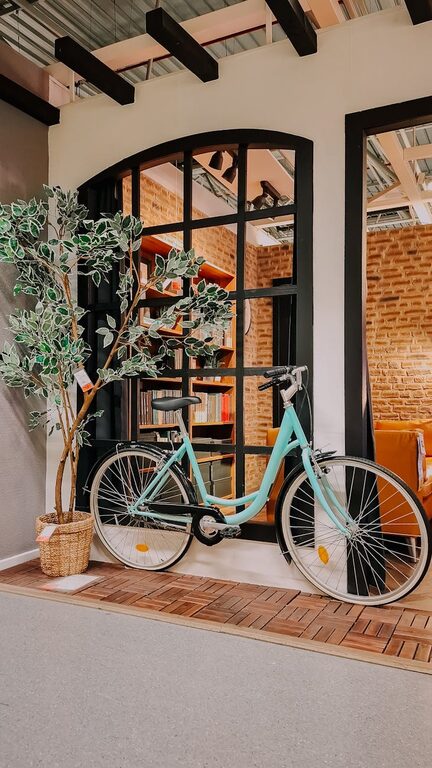
Bringing plants into your home is an easy and affordable way to breathe new life into your living space. Not only do plants add a splash of color and texture, but they can also improve air quality and create a calming environment. Whether you have a green thumb or are just starting, refreshing your home with plants can be a rewarding experience. In this guide, we’ll explore practical tips and ideas for incorporating plants into your home décor.
Why Add Plants to Your Home?
Plants offer more than just visual appeal. Here are a few reasons to consider:
– Improve air quality: Many indoor plants filter toxins and produce oxygen.
– Boost mood and reduce stress: Greenery creates a soothing atmosphere.
– Enhance décor: Plants add texture, color, and life to any room.
– Increase humidity: This can be helpful in dry climates or heated homes during winter.
Choosing the Right Plants for Your Space
Selecting plants that fit your lifestyle and home environment is important.
Consider Your Lighting
– Low light: Snake plants, pothos, and ZZ plants are ideal.
– Medium light: Spider plants, peace lilies, and philodendrons do well.
– Bright, indirect light: Fiddle leaf figs, rubber plants, and monstera thrive.
Think About Maintenance
If you’re new to plant care or have a busy schedule:
– Choose low-maintenance plants like succulents, cacti, or snake plants.
– Avoid plants that require frequent watering or specialized care.
Match Plants to Your Décor Style
– For a modern look, use plants with clean lines like snake plants or succulents.
– For a cozy, bohemian vibe, try trailing plants and hanging pots.
– Large statement plants, such as fiddle leaf figs or monstera, work well in minimalist spaces.
Styling Tips for Displaying Plants
How and where you display plants can enhance their effect.
Use Various Heights and Sizes
– Combine tall floor plants with smaller tabletop varieties.
– Place plants on shelves, windowsills, or plant stands to add dimension.
Mix Different Leaf Shapes and Textures
– Pair broad leaves with fine, feathery foliage.
– Experiment with colors from deep green to variegated or even reddish leaves.
Use Attractive Planters
– Match pots to your room’s color scheme.
– Try woven baskets, ceramic pots, or minimalist containers.
– Consider using planters with drainage holes to promote healthy roots.
Creative Ideas to Incorporate Plants
Here are some ways to refresh different rooms with plants.
Living Room
– Place a large statement plant near a window.
– Add small potted plants to coffee tables or shelves.
– Create a green corner with a mix of floor plants and wall-mounted planters.
Kitchen
– Grow herbs like basil, mint, or rosemary on the windowsill.
– Hang a small planter with trailing plants like ivy.
– Use terrariums for succulents and air plants as a centerpiece.
Bedroom
– Position a plant with air-purifying qualities, such as a snake plant or peace lily.
– Use small hanging planters or bedside table plants.
– Incorporate plants with calming scents like lavender or jasmine.
Bathroom
– Choose humidity-loving plants such as ferns or orchids.
– Add small pots to shelves or near the sink.
– Use waterproof planters or hanging baskets to save space.
Caring for Your Indoor Plants
Keeping your plants healthy ensures they continue to brighten your home.
Watering
– Check soil moisture before watering; overwatering is a common mistake.
– Use room-temperature water and avoid letting plants sit in water.
Light
– Rotate plants regularly to promote even growth.
– Adjust placement based on seasonal light changes.
Cleaning
– Wipe leaves with a damp cloth to remove dust.
– Trim dead leaves to encourage new growth.
Fertilizing
– Use a balanced, water-soluble fertilizer during the growing season.
– Follow instructions carefully to avoid over-fertilizing.
Troubleshooting Common Plant Problems
– Yellowing leaves: Often caused by overwatering or poor drainage.
– Drooping leaves: May indicate underwatering or inadequate light.
– Pests: Look for small insects or webs; treat with insecticidal soap if needed.
– Slow growth: Could be due to lack of nutrients or insufficient light.
Conclusion
Refreshing your home with plants is a simple way to add beauty, improve air quality, and create a relaxing environment. By selecting the right plants for your space, styling them thoughtfully, and providing proper care, you can transform your home into a green sanctuary. Start small, experiment, and enjoy the journey of indoor gardening!