
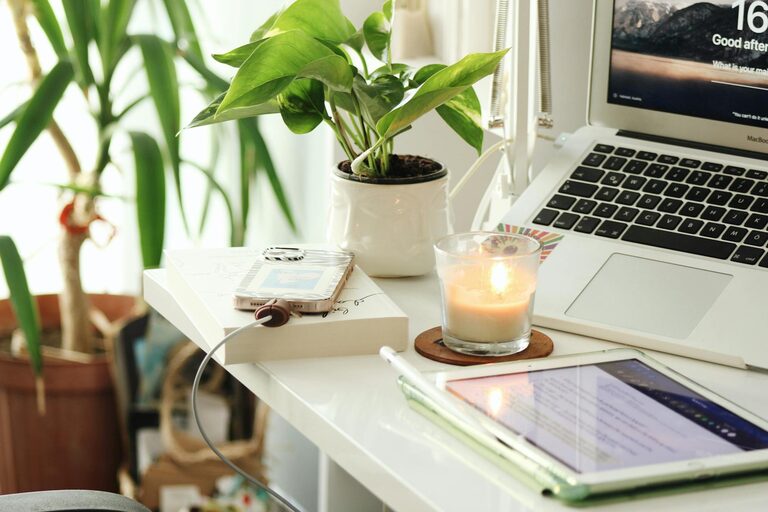
Creating a relaxing home workspace is essential for maintaining focus, reducing stress, and making your work-from-home experience more enjoyable. Whether you spend a few hours or the entire day working at home, a calm, well-organized area can help improve your mindset and productivity. In this post, we’ll explore practical ways to design a home workspace that promotes relaxation and efficiency.
Why a Relaxing Workspace Matters
Having a workspace that feels inviting and peaceful can make a big difference. A cluttered or uncomfortable area may increase distractions and tension, while a soothing environment supports concentration and creativity. When you feel comfortable in your workspace, work becomes less of a chore and more of an enjoyable task.
Steps to Creating a Relaxing Home Workspace
1. Choose the Right Location
Selecting the ideal spot for your workspace sets the foundation for a relaxing atmosphere.
– Find a quiet area: Aim for a space with minimal noise and foot traffic.
– Consider natural light: Position your desk near a window if possible. Natural light improves mood and reduces eye strain.
– Privacy matters: If you share your home, try to find a spot that offers some separation from daily household activities.
2. Invest in a Comfortable Desk and Chair
Comfort plays a key role in relaxation and focus.
– Ergonomic chair: Look for a chair that supports good posture and reduces back strain.
– Desk size: Your desk should fit your work essentials with some extra space to prevent clutter.
– Adjustable setups: Consider adjustable desks (standing or sitting) for flexibility.
3. Use Calming Colors and Decor
Colors and decorations influence your mood more than you might realize.
– Choose soothing colors: Soft blues, greens, or neutral colors promote calmness.
– Minimal decorations: Keep decor simple to avoid distraction.
– Add personal touches: A favorite photo, a small plant, or artwork can make your space feel inviting.
4. Keep Your Workspace Organized
Organization limits stress and helps create a relaxed vibe.
– Use storage solutions: Drawers, shelves, and organizers keep supplies tidy.
– Declutter regularly: Set aside time each week to clear unnecessary items.
– Cable management: Use clips or ties to keep cords neat and out of sight.
5. Incorporate Plants and Natural Elements
Plants have been shown to boost mood and purify air.
– Easy-care plants: Succulents, pothos, or snake plants are low-maintenance options.
– Natural light: Ensuring plants get enough light helps them thrive.
– Other elements: Consider using natural materials like wood or stone in your décor.
6. Control Lighting for Comfort
Proper lighting reduces eye strain and creates a warm atmosphere.
– Layer lighting: Combine overhead lights with desk lamps.
– Adjust brightness: Use dimmable lights or bulbs with adjustable warmth.
– Avoid glare: Position screens to reduce reflections and harsh light.
7. Minimize Noise and Distractions
A peaceful workspace helps maintain focus.
– Noise-cancelling headphones: Useful if complete silence isn’t possible.
– Soft background music: Nature sounds or instrumental tunes can be soothing.
– Soundproofing: Rugs, curtains, or wall hangings can absorb excess noise.
8. Establish Boundaries and Routine
Creating a mental and physical boundary between work and home time supports relaxation outside work hours.
– Set working hours: Keep a consistent schedule to help disconnect.
– Separate work items: Store work supplies away when not in use.
– Signal work mode: Consider rituals like lighting a candle or opening a specific notebook.
Final Tips for Maintaining Your Relaxing Workspace
– Personalize without overcrowding: Add items that inspire and comfort you, but avoid clutter.
– Refresh your space every few months: Rearrange furniture or add new elements to keep your workspace inviting.
– Pay attention to comfort: Adjust your chair or lighting as needed.
– Take breaks: Step away from your desk regularly to rejuvenate.
—
Creating a relaxing home workspace doesn’t have to be complicated or costly. By focusing on comfort, organization, and atmosphere, you can build a space that supports your well-being and productivity. Start small, and enjoy the benefits of working in a space designed with your peace of mind in mind.